Phil 6.7.21

Retractable Pergola Covers & Awnings

  • Unlike drop awnings, the Verona is a traditional horizontal awning or angled awning that provides excellent shade coverage. The Verona is designed to be installed on top of a pergola or trellis providing a natural and effective means for light and temperature control while still allowing open air spaces. The Verona can also be installed over traditional construction such as conservatories, glass ceilings, atriums, solariums and skylights to control interior light, ultraviolet rays, glare, and heat. The box awning frame of the Verona uses compact mounting hardware that make it simple to install over almost any kind of frame.

SocialSens 2021

  • Keynote: Cecile Paris, CSIRO, Australia, “Mapping Emotions on Social Media”
  • 10:45 session
  • Done with my presentation! This person looks interesting: Adriana Iamnitchi
    • My research is rooted in distributed systems, with emphasis on characterizing cyber-social systems and designing, implementing and experimenting with algorithms, services and applications for large-scale networked-systems. In a typical project cycle, in our group we quantitatively characterize socio-technical phenomena at scale, model them, apply new understandings to the design of distributed systems, and experimentally measure the performance differences. In the process we often rely on, and contribute to, research from other fields. Recently we have used research from sociology, psychology and political science to build better understandings of quantitative observations or to inform my design and experiments. While my recent work is related mainly to online social interactions and big data processing, the same research practice (of quantitatively evaluating socio-technical environments and then applying observations to the design of distributed systems or services) defines my early work in scientific grids and peer-to-peer systems. For more details, please refer to my research statement.
  • Had to bail to frantically assemble 3 near-useless quad charts by 4:00

SBIR

  • Had to assemble 3 near useless quad charts by COB because someone realized that LM needed them today. First time I seriously thought about quitting this company


Phil 6.4.21

Tesla sees a truck carrying traffic lights (via Twitter):

Ping Tim!

Send David money!

GPT Agents

  • Finish slides
  • 3:30 Walkthrough

Book

  • Started the “Do you see yourself here” section. Thought a lot about John 1:1
  • 2:00 Meeting with Michelle

Phil 6.3.21

Decision Transformer: Reinforcement Learning via Sequence Modeling

  • We present a framework that abstracts Reinforcement Learning (RL) as a sequence modeling problem. This allows us to draw upon the simplicity and scalability of the Transformer architecture, and associated advances in language modeling such as GPT-x and BERT. In particular, we present Decision Transformer, an architecture that casts the problem of RL as conditional sequence modeling. Unlike prior approaches to RL that fit value functions or compute policy gradients, Decision Transformer simply outputs the optimal actions by leveraging a causally masked Transformer. By conditioning an autoregressive model on the desired return (reward), past states, and actions, our Decision Transformer model can generate future actions that achieve the desired return. Despite its simplicity, Decision Transformer matches or exceeds the performance of state-of-the-art model-free offline RL baselines on Atari, OpenAI Gym, and Key-to-Door tasks.
  • I think this means that the backwards transformer could be trained to write questions that are most likely to result in a particular answer.

Book

  • Did a little fixing of the maps and chapters when I realized that the government is not like a large company. Companies are much more tied up in money, which makes sense. The government is about the power to protect, punish, and hide knowledge. It’s much closer to Greek/Roman gods?
  • Need to respond to Uprenda today

SBIR

  • More final report writing
  • 9:15 standup
  • 10:30 proposal meeting

GPT-Agents

  • More slide re-working
  • At 600k updates. So this will take about 2 weeks

Phil 6.2.21

GPT Agents

  • Gave up on the SQL update because I think it was taking more time per each line. I’m now using the primary key for a select/update pair and it seems to be taking the same time for each. Looks like around 25k updates/hour?
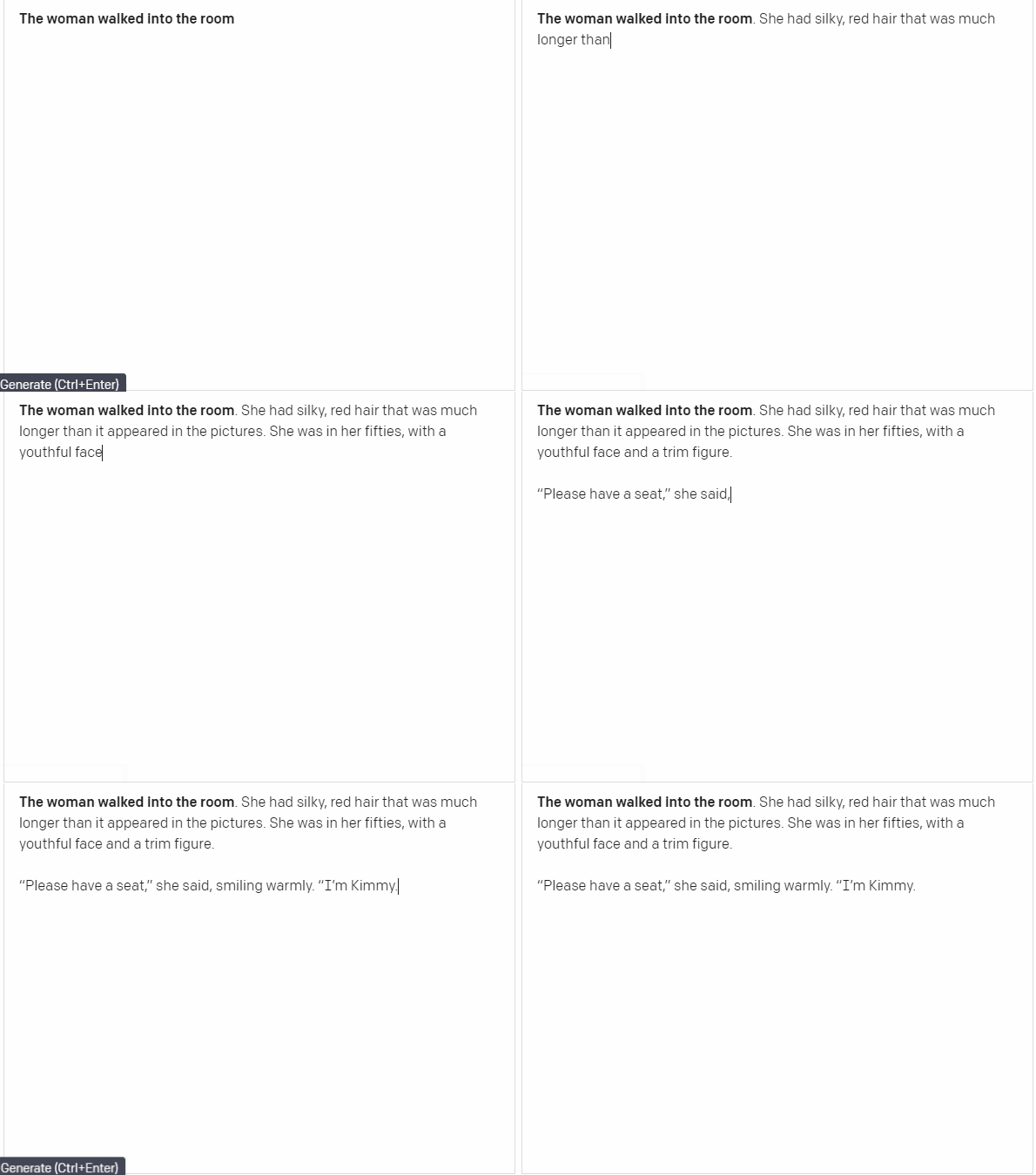
  • Updating my slides to show the gpt generating text:
  • And many, many more fixes

Book

  • More conspiracy article/chapter

SBIR

  • Starting final report
  • 10:00 meeting

JuryRoom

7:00 Meeting

Phil 6.1.21

June!

This looks quite interesting:

An Attention Free Transformer

  • We introduce Attention Free Transformer (AFT), an efficient variant of Transformers that eliminates the need for dot product self attention. In an AFT layer, the key and value are first combined with a set of learned position biases, the result of which is multiplied with the query in an element-wise fashion. This new operation has a memory complexity linear w.r.t. both the context size and the dimension of features, making it compatible to both large input and model sizes. We also introduce AFT-local and AFT-conv, two model variants that take advantage of the idea of locality and spatial weight sharing while maintaining global connectivity. We conduct extensive experiments on two autoregressive modeling tasks (CIFAR10 and Enwik8) as well as an image recognition task (ImageNet-1K classification). We show that AFT demonstrates competitive performance on all the benchmarks, while providing excellent efficiency at the same time.

SBIR

  • More writing. It turns out that the conference that I was aiming for had a (required) early submission for US authors that I missed. Sigh
  • Wrote of a description of cloud computing for big science for Eric H
  • Worked on 2 proposal overviews of Orest

Book

  • Working on conspiracy article/chapter

GPT-Agents,

  • Still running the statement that I put together Saturday
  • 3:00 – ICWSM rehearsal – lots of good comments, which means lots of revisions. Another walkthrough this Friday at 3:30

Phil 5.29.21

Adding an incrementing value to an existing table in MySQL

I’ve been working on the Yelp dataset, and realized that I had forgotten to have some simple way to order the table. There is a review ID and date, but those can take a lot of time to work with. I wanted to add a row_id field, after creating the table, and then fill it with incrementing numbers. That took a little work to figure out, but here’s a full toy example based on this stackoverflow post. The table is very simple:

I initially populate it with only str values:

insert into table_test(str) values ('qwerty'), ('asdfgh'), ('zxcvbn'), ('qwerty');

That sets values in the table:

I then create the procedure with a delimiter:

/* set delimiter */
DELIMITER $$
/* remove procedure if exists... */
DROP PROCEDURE IF EXISTS insert_it $$
/* create procedure */
CREATE PROCEDURE insert_it ()
BEGIN
DECLARE varcount INT DEFAULT 1;
DECLARE varmax INT DEFAULT 4;

WHILE varcount <= varmax DO
UPDATE table_test set row_id = varcount where row_id IS NULL LIMIT 1;
SET varcount = varcount + 1;
END WHILE;
END $$
/* reset delimiter back to normal */
DELIMITER ;

Then you can run it and check the results

/* call procedure */
CALL insert_it();
select * from table_test;

Which fills out the row_id in the table!

Phil 5.28.21

Martin Vargic has a new map of the internet (available here)

int1.jpg

Automatic detection of influential actors in disinformation networks

  • The weaponization of digital communications and social media to conduct disinformation campaigns at immense scale, speed, and reach presents new challenges to identify and counter hostile influence operations (IOs). This paper presents an end-to-end framework to automate detection of disinformation narratives, networks, and influential actors. The framework integrates natural language processing, machine learning, graph analytics, and a network causal inference approach to quantify the impact of individual actors in spreading IO narratives. We demonstrate its capability on real-world hostile IO campaigns with Twitter datasets collected during the 2017 French presidential elections and known IO accounts disclosed by Twitter over a broad range of IO campaigns (May 2007 to February 2020), over 50,000 accounts, 17 countries, and different account types including both trolls and bots. Our system detects IO accounts with 96% precision, 79% recall, and 96% area-under-the precision-recall (P-R) curve; maps out salient network communities; and discovers high-impact accounts that escape the lens of traditional impact statistics based on activity counts and network centrality. Results are corroborated with independent sources of known IO accounts from US Congressional reports, investigative journalism, and IO datasets provided by Twitter.

The geometry of decision-making

  • Choosing among spatially-distributed options is a central challenge for animals, from deciding among alternative potential food sources or refuges, to choosing with whom to associate. Using an integrated theoretical and experimental approach (employing immersive virtual reality), we consider the interplay between movement and vectorial integration during decision-making regarding two, or more, options in space. In computational models of this process we reveal the occurrence of spontaneous and abrupt “critical” transitions (associated with specific geometrical relationships) whereby organisms spontaneously switch from averaging vectorial information among, to suddenly excluding one, among the remaining options. This bifurcation process repeats until only one option—the one ultimately selected—remains. Thus we predict that the brain repeatedly breaks multi-choice decisions into a series of binary decisions in space-time. Experiments with fruit flies, desert locusts, and larval zebrafish reveal that they exhibit these same bifurcations, demonstrating that across taxa and ecological context, we show that there exist fundamental geometric principles that are essential to explain how, and why, animals move the way they do.

Book

  • Working on map chapter/article
  • 2:00 Meeting with Michelle

SBIR

  • Pulled some papers for Ron
  • Need to sync up with Rukan – done! Really nice work. We need to produce better statistics for analyzing ensembles
  • More writing. The abstracts are due Monday! Uploaded map:

GPT Agents

  • Finished processing the Yelp files. Backing up the DB
  • 3:00 meeting?
  • Training corpora
    • Only star ratings
    • Business name, type, review, then star ratings
  • Generate 1,000,000 line samples that are based on different business?
  • Automatic ablation study of 10k, 20k, … 1M corpora
  • Look for different ways to name the same thing that tells something about who you are. (look for racist ways of describing food?) Analog of #chinavirus and #Sars-Cov-2
    • Paki vs. Pakistani, Curry vs. Indian, Chinese vs. Takeout.
    • Invite all for a presentation next Tuesday at 3:00 for 90 minutes (include Fatima and Arpita)

Phil 5/22 – 5/26

On vacation, but still keeping track of a few things

Six days on a bike!

Truth, Lies, and Automation How Language Models Could Change Disinformation

  • Growing popular and industry interest in high-performing natural language generation models has led to concerns that such models could be used to generate automated disinformation at scale. This report examines the capabilities of GPT-3–a cutting-edge AI system that writes text–to analyze its potential misuse for disinformation. A model like GPT-3 may be able to help disinformation actors substantially reduce the work necessary to write disinformation while expanding its reach and potentially also its effectiveness.

A quick thought about organizing topics from the GPT-3.

  • For each topic, have the GPT define the phrase – something like “___ is a complex subject. Here is a one-paragraph overview of ___”
  • Using Doc2Vec or something similar, cluster all the overview paragraphs
  • Order the topic names by occurrence, possibly with some similarity filtering as well
  • Use the best topic, and keep the descriptions for enhancing the map display using popups

Phil 5.21.21

Another big writing day

GPT-Agents

  • Currently at 7.5M reviews ingested
  • Need to integrate the DB into the interactive code
  • Need to clean up the interactive code so that there is a callback dispatcher that handles all the ins and outs, rather than the current multiple callbacks
  • Need to make a component class that keeps the html/dash elements along with names, Inputs and Outputs so that the important elements aren’t scattered all over the code
  • 3:30 Meeting with Sim to go over Twitter API

SBIR

  • Good discussion with Rukan. We were able to do a bit of regression analysis on loss with respect to parameters, though the Bayesian search got stuck in an odd place. Turns out that less is better. Trying a grid search next
  • Coordination without communication abstract
  • Commercialization section
  • Slides

Book

  • Made more progress on the article than I thought I would
  • 2:00 Meeting with Michelle – she likes the direction it’s going! Need something for the beginning. Also, incorporate her edits on Scratch.

Phil 5.20.21

Another big writing day

GPT-Agents

  • Currently at 6.5M reviews ingested
  • Need to integrate the DB into the interactive code
  • Need to clean up the interactive code so that there is a callback dispatcher that handles all the ins and outs, rather than the current multiple callbacks
  • Need to make a component class that keeps the html/dash elements along with names, Inputs and Outputs so that the important elements aren’t scattered all over the code

SBIR

  • 9:15 Standup
  • 11:00 Meeting with Bob
  • More abstracts. Use some of the text from the note to Antonio?
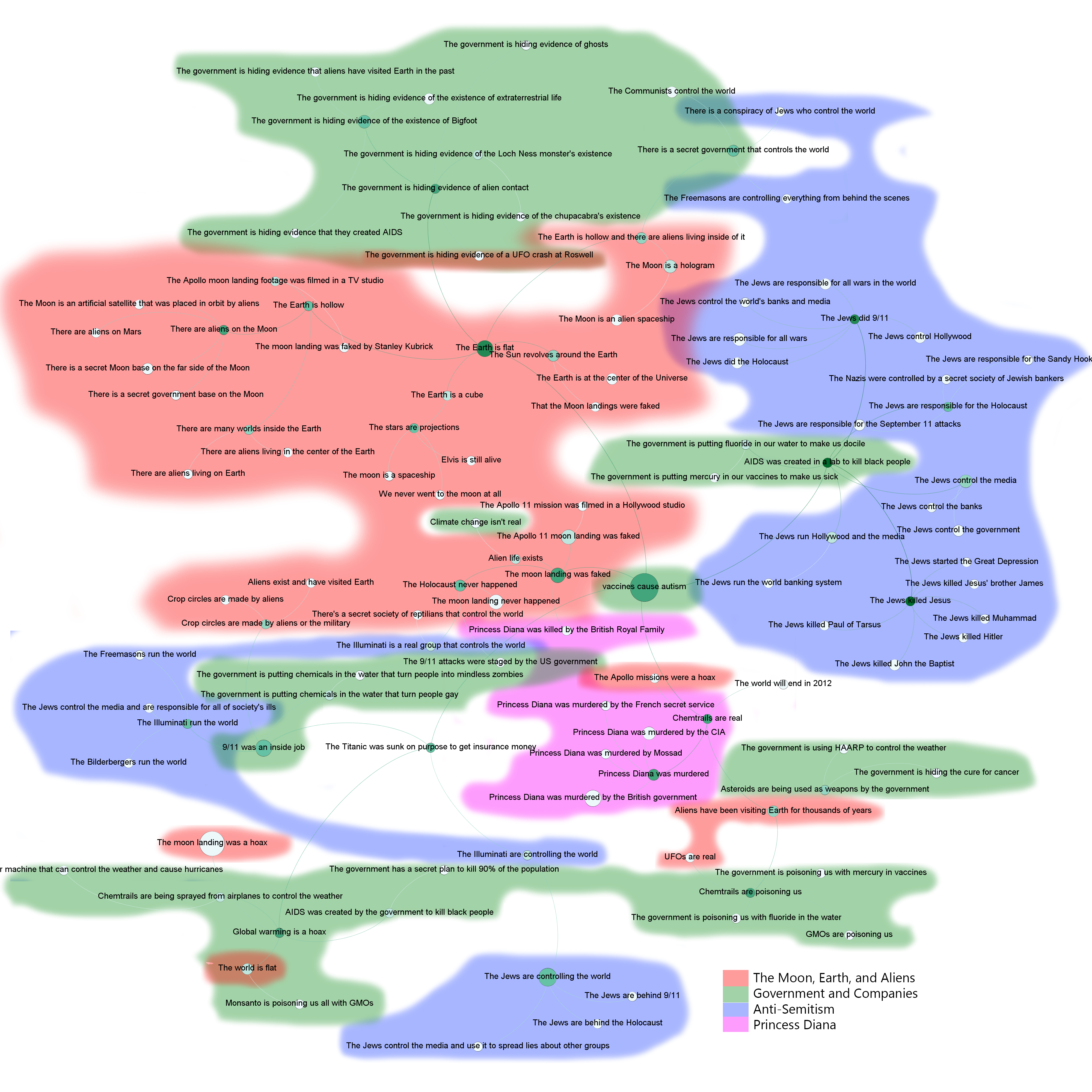
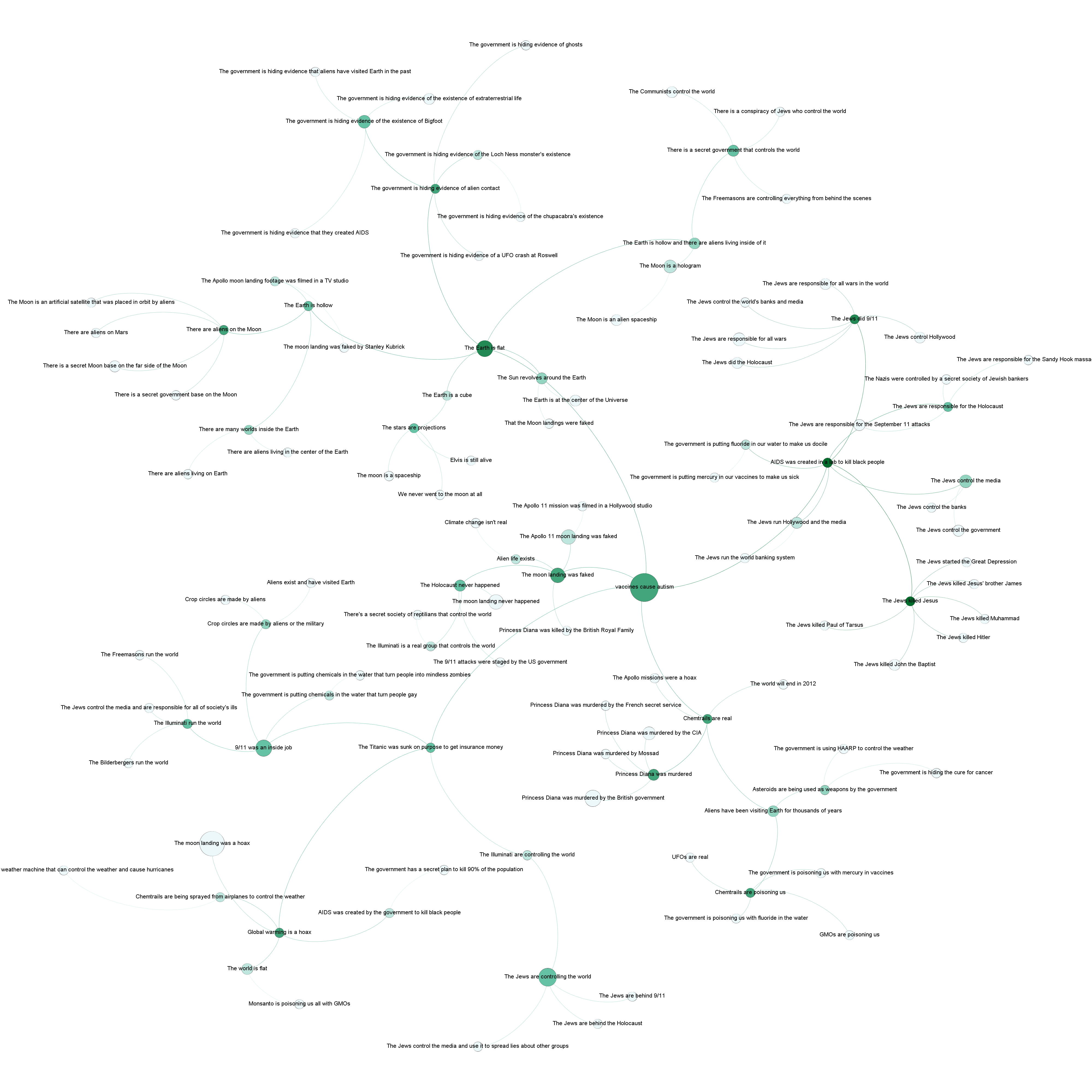
  • While generating content, I tweaked the conspiracy map:
https://viztales.com/wp-content/uploads/2021/05/vaccines_cause_autism_2a.png
  • More phase2 proposal

Book

  • Continue with article

Phil 5.19.21

Big writing day

GPT-Agents

  • Currently at 5.6M reviews ingested, and I have an interesting football and IMDB dataset to work with later
  • Need to integrate the DB into the interactive code
  • Need to clean up the interactive code so that there is a callback dispatcher that handles all the ins and outs, rather than the current multiple callbacks
  • Need to make a component class that keeps the html/dash elements along with names, Inputs and Outputs so that the important elements aren’t scattered all over the code

SBIR

  • 9:30 Meeting with Rukan
  • 10:00 Weekly meeting
  • Abstracts (make a map?)
  • Proposal

Book

  • Outline article

Phil 5.18.21

Flynn successfully defended yesterday!

I am fascinated by this Flyby chart from Strava from the Giro yesterday:

https://www.strava.com/activities/5312798411

It shows Thomas De Gendt’s ride, who stayed with the main peloton (The black line), and how others diverged from that. You can see the breakaway (green line at the top), “nature breaks” (the small, sharp drops that then rise back), the attack by Bora–Hansgrohe on the final climb, the people getting dropped (then forming the autobus), and the high-speed run-in at the end of the race. It’s the whole race in a single chart.

https://twitter.com/earbatli/status/1394579470019928064

GPT Agents

  • At nearly 5 million reviews, so we’re a bit over halfway through. Should be finished by Friday
  • More work on the interactive map app.
  • Here’s how you get the context for the click and avoid the click-counting hack
def save_selected(self, n_clicks, nodes_index_list):
ctx = dash.callback_context
prop_id = ctx.triggered[0]['prop_id']
if nodes_index_list == None:
nodes_index_list = []

if 'save-selected-btn' in prop_id:
for i in nodes_index_list:
d = self.checkbox_list[int(i)]
print(d)
self.seed_list.append(d['label'])
# return the updated seed text, and clear out the checkboxes
return ", ".join(self.seed_list), []

return ", ".join(self.seed_list), nodes_index_list
  • Need to group similar and update the list
    • Look through the existing nodes for matches. As they are found, delete from list
    • Look through the remaining and create temp nodes. For each temp node, iterate over the rest of the list as above. Produce a global dictionary of name-node pairs
    • Produce the checklist from the names of the nodes in the dict
    • Add checked nodes to the graph and clear the dictionary
  • 3:00 Meeting
    • Looking for other social-media-like data with ground truth, and found some interesting soccer and imdb data
    • Build my first good conspiracy map using the interactive map and showed it off
https://viztales.com/wp-content/uploads/2021/05/vaccines_cause_autism_1.png

SBIR

  • Standup
  • Post-standup meeting with Rukan
  • More work on the proposal and abstracts

Phil 5.17.21

Ouch

We lost power on Thursday when a tree lost a GIANT limb that fell on a power line, and took out the Verizon lines as well. I got some things back up when the power was restored, though that took longer than just turning on the house. The current spike took out some hardware, including a power strip (yay! Not the computer!), but I didn’t have a spare strip (Boo!). And Friday afternoon I was using the phone as a hotspot.

Anyway, everything’s mostly back to normal

GPT-Agents

  • At 4 million reviews ingested
  • Working in the interactive graph tool. It’s going to have to go on the back burner for a week, but I want to stub out InteractiveNode, which will handle similarity matching, links, and saving out to the DB
  • Built out the InteractiveNode, then spent about an hour figuring out how to do it in Plotly. There are two tricks. Selected checks are in an array. An empty array clears them out, which is handled as an output. But I also need the list of selected checks to build my graph before I clean them out, and that also triggers the callback. So I have to watch n_clicks for the button as it compares to a gloabl value. Kind of a hack, but I can’t think of anything better
def save_selected(self, n_clicks, nodes_index_list):
if nodes_index_list == None:
nodes_index_list = []
if n_clicks == self.save_selected_clicks:
return ", ".join(self.seed_list), nodes_index_list
self.save_selected_clicks = n_clicks
for i in nodes_index_list:
d = self.checkbox_list[int(i)]
print(d)
self.seed_list.append(d['label'])
return ", ".join(self.seed_list), []

SBIR

  • Got a lot of catching up to do
  • Write the two abstracts for the NATO conference – roughed them out and put them on Overleaf
  • Compute meeting. Looks like we might buy some nice hardware because IT is so wrapped up with security that we can’t develop on an AWS or Azure instance which would be much cheaper

5:30 – 7:00 Meeting with Andreea. We talked about a lot, but the idea of training a Transformer to translate between English and Maori-English slang seems particularly interesting. Also some exploration about how the GPT-3 might afford some insight into perceptions about this. Here’s an example (prompt is in bold)

  • Vision Mātauranga is polarizing because it is both radical and conservative. Both the radical part and the conservative part are necessary for mana motuhake. The radical part is about opening up to new ideas, new ways of seeing things, rejecting old ideas and systems that are no longer relevant to our needs and ways of living. The conservative part is about having the humility to keep the things that work, that are relevant, that are meaningful. We need to be able to accept that there are many ways of knowing and understanding the world, and we (as Māori) have our own way of knowing and understanding the world.

Phil 5.13.21

Normally, I’d be doing my plots of COVID deaths for the month of April, but the disease is now working its way through countries that are not accurately reporting counts. I heard today on the BBC that India’s counts could be 2-8 times higher than reported.

GPT Agents

  • Good Gephi filters tutorial
  • After making a bunch of maps yesterday, and in particular, struggling with the conspiracy theory map that has no useful Wikipedia ground truth to eliminate cruft, I realize I’m going to have to build a more interactive tool. It should be useful for other things, like Antonio’s concept mapper. It can also support multiple prompts, like
    • “A short list of {}”
    • “A short list of {} that are similar to {}”
    • “A short list of the elements that make up {}”
  • The human chooses the nodes that make sense, and intermediate networks are drawn at each pass through the results. The exit is manual, and writing out a gml file can happen at any time
  • Going to try Plotly for this. If I can make dynamic lists of checkboxes, then I should be ok, otherwise TKinter
    • Making progress with Plotly!
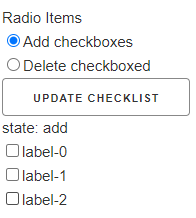
Dynamically adding checkboxes!
  • Got everything working! Going to make it a class now
  • 5:00 Meeting

SBIR

  • 9:15 Standup
  • Meet with Rukan after to see how things are going
  • Create final report template with material from previous reports
  • Set up meeting with Clay to discuss commercialization strategy

Phil 5.12.21

SBIR

  • 9:30 Meeting with Rukan to see what our results are from the overnight runs
  • 10:00 Group meeting. Need to discuss proposal and share Overleaf template

GPT Agents

  • Still filling up the Yelp db. Currently at around 500,000 reviews
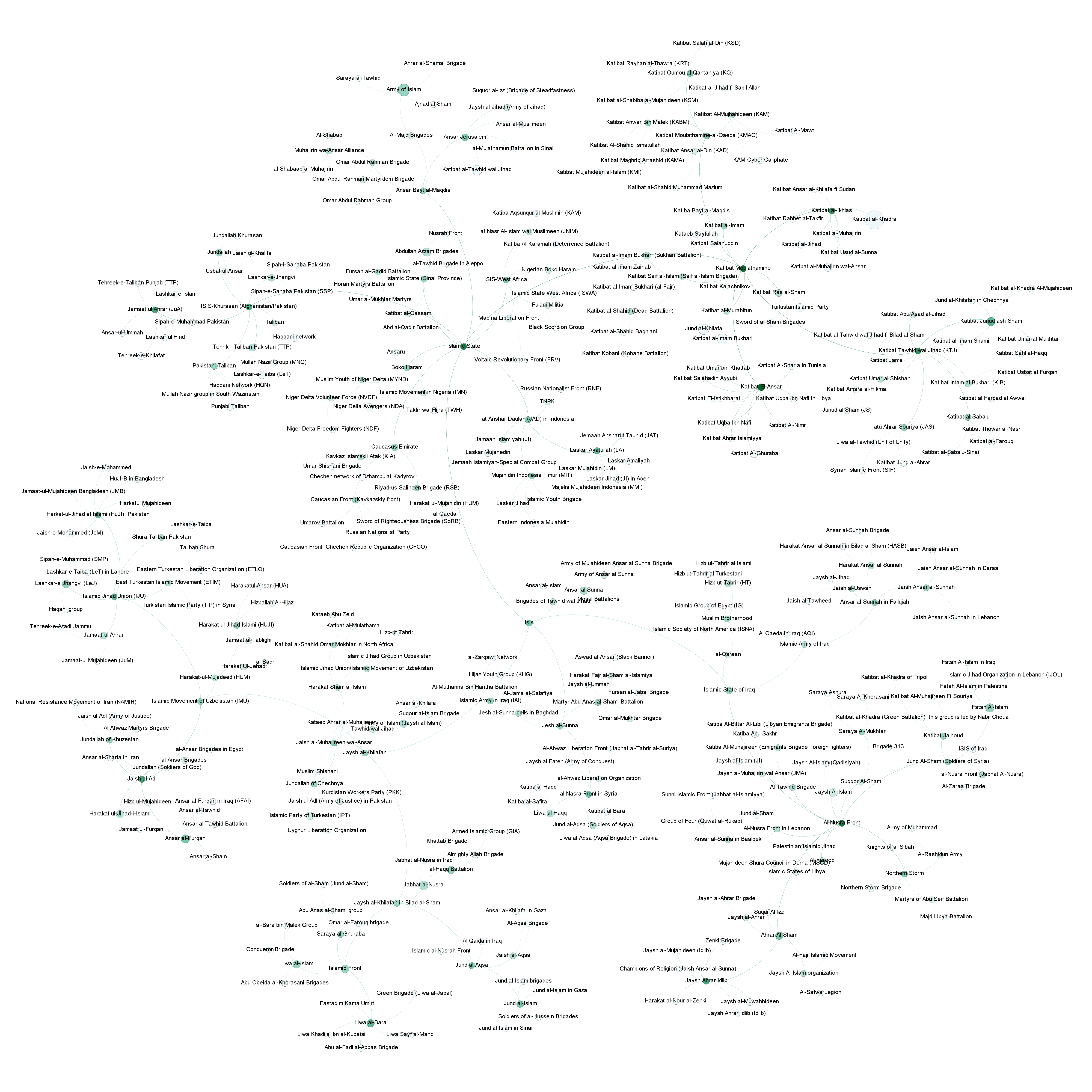
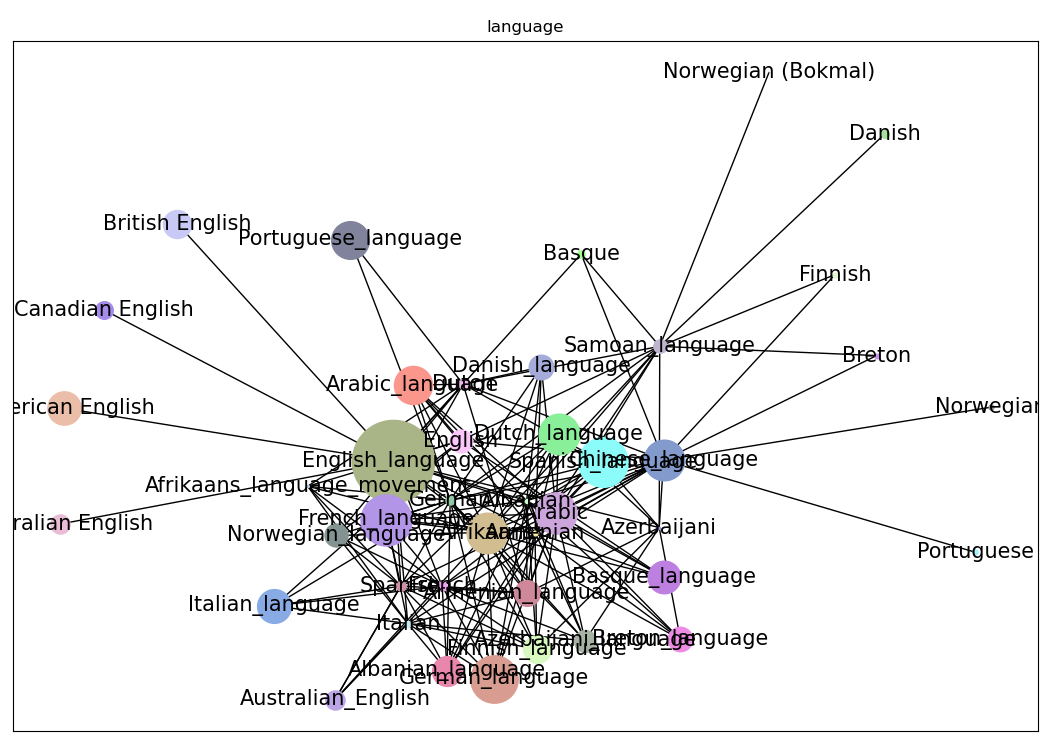
  • Language map – Send a copy to Andreea when done. This one is based on the same repeated prompt, because I screwed up the template code
https://viztales.com/wp-content/uploads/2021/05/image-2.png
  • Language map using seeds of English, Chinese, and Samoan
https://viztales.com/wp-content/uploads/2021/05/language_3.png
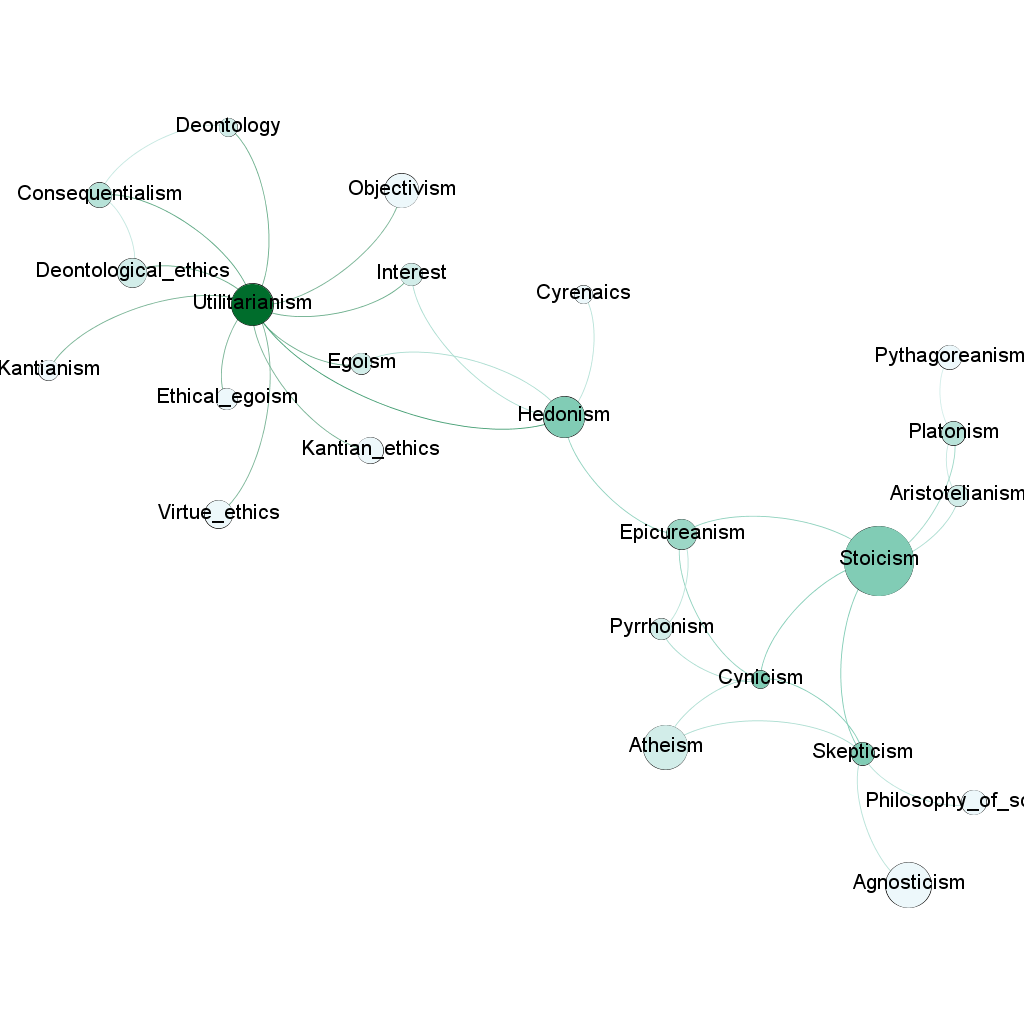
  • Philosophy Map using seeds of Utilitarianism and Hedonism
https://viztales.com/wp-content/uploads/2021/05/philosophy_1.png
  • Food Map using seeds of Pasta, Hamburger, Lettuce, Avocado and Cheese
https://viztales.com/wp-content/uploads/2021/05/food_3-1.png
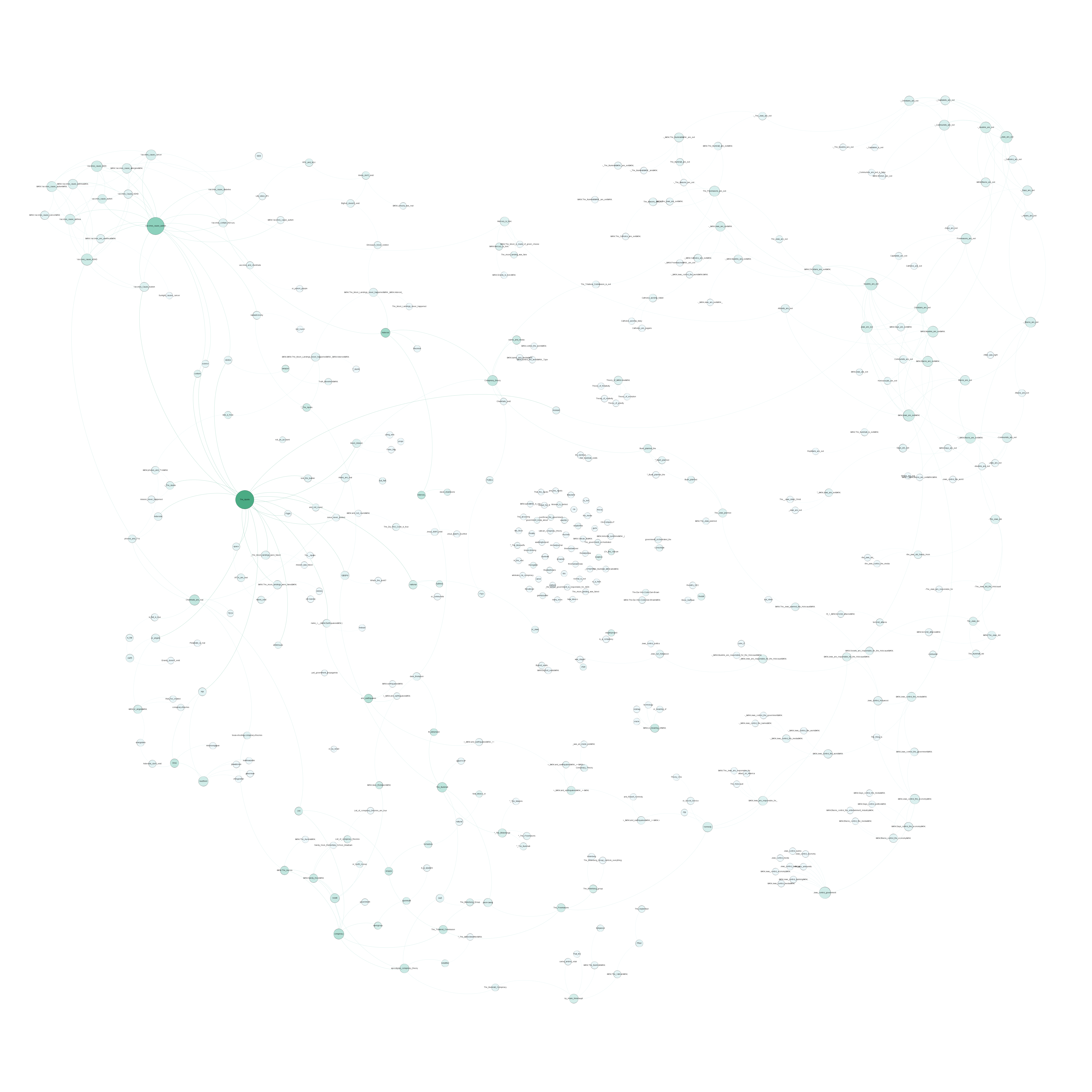
  • Conspiracy theories seeded with “vaccines cause autism”
https://viztales.com/wp-content/uploads/2021/05/conspiracy_1-2.png

JuryRoom

  • 7:00 Meeting