
GPT-2 Agents
- Starting work on the navigator app
- Today’s progress:
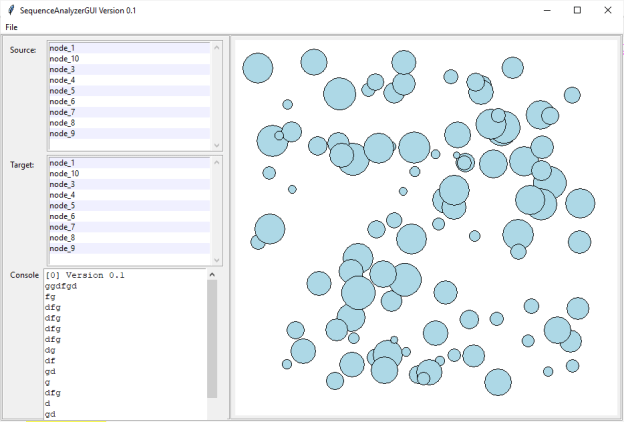
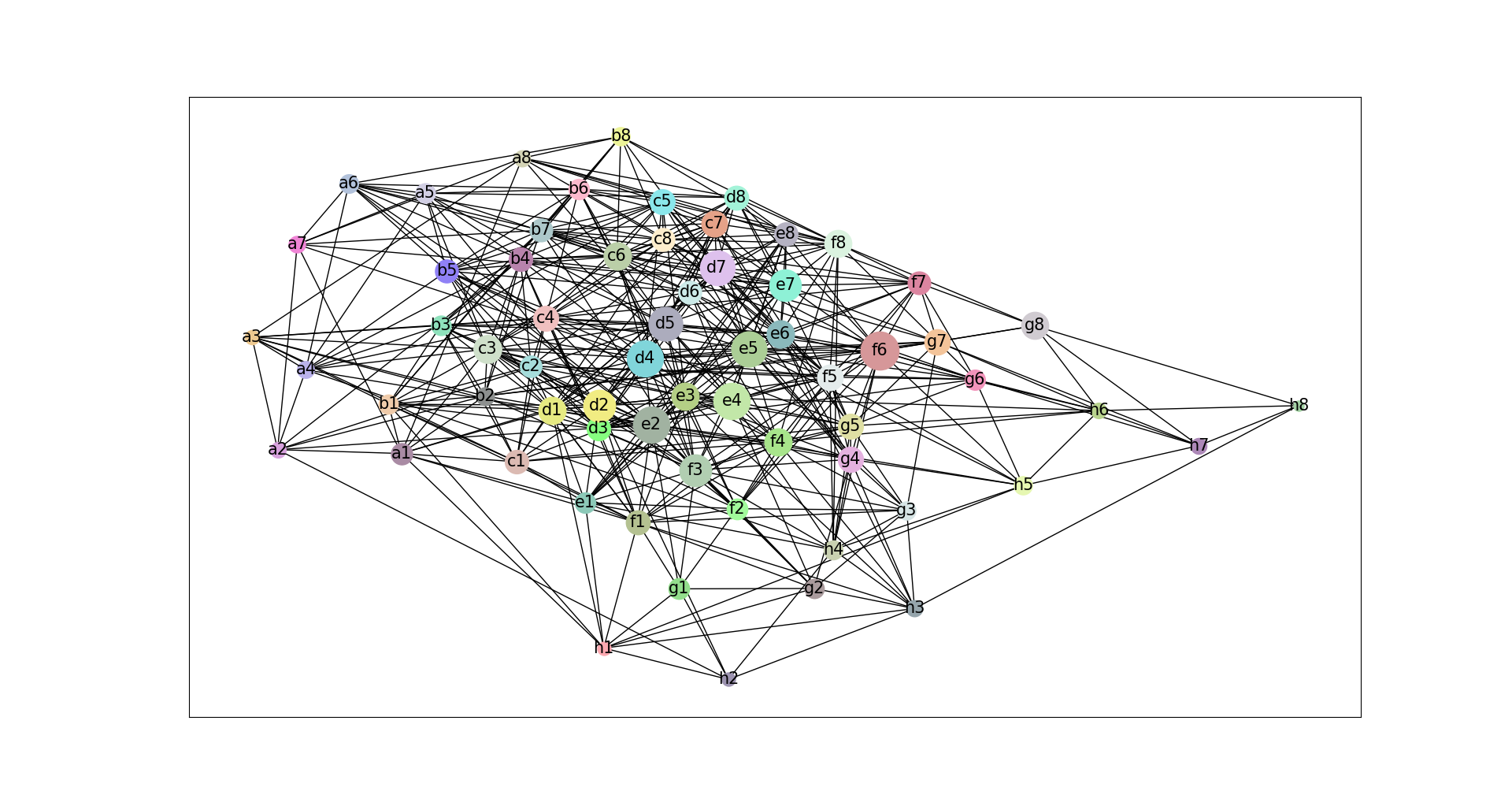
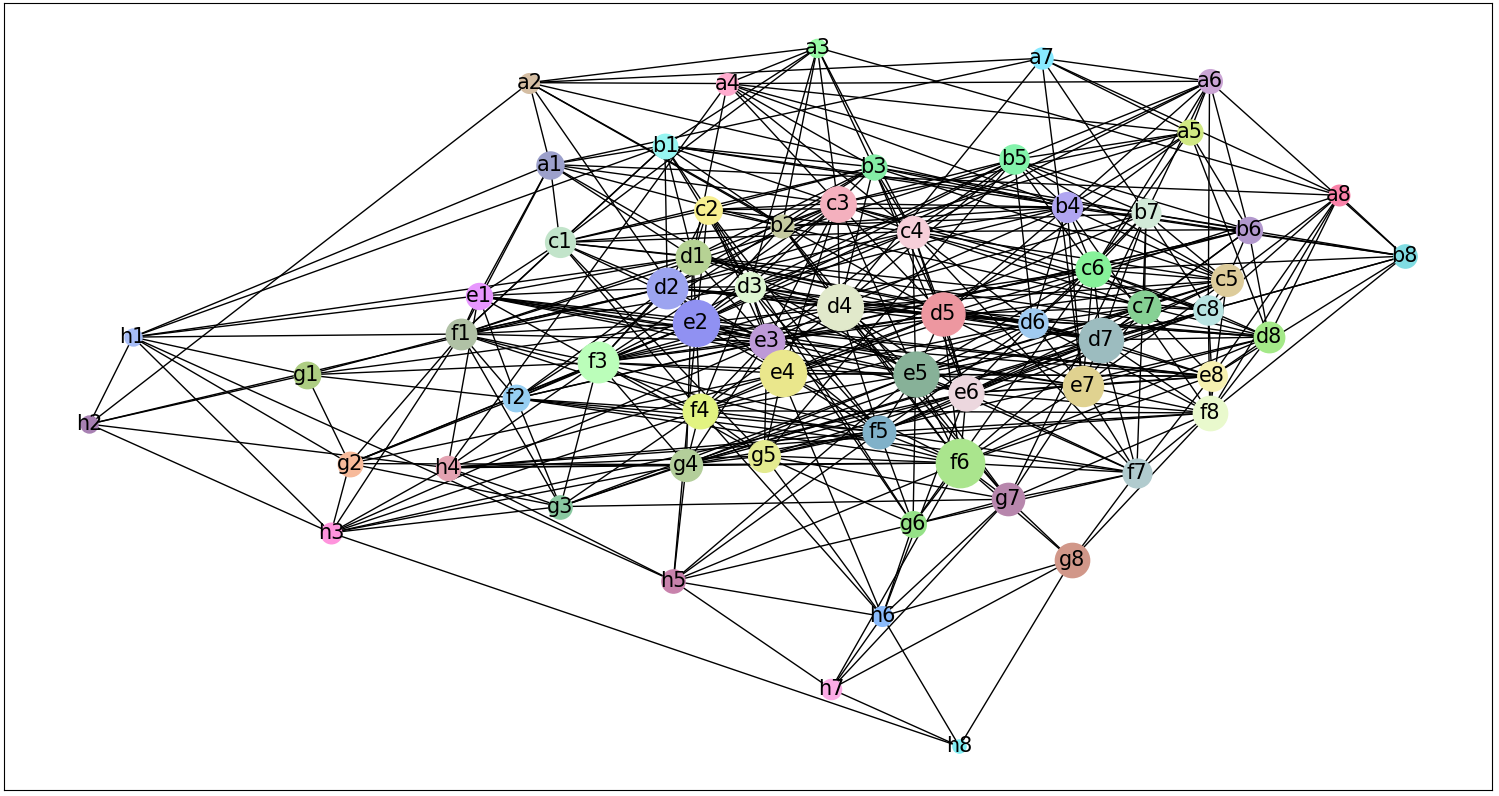
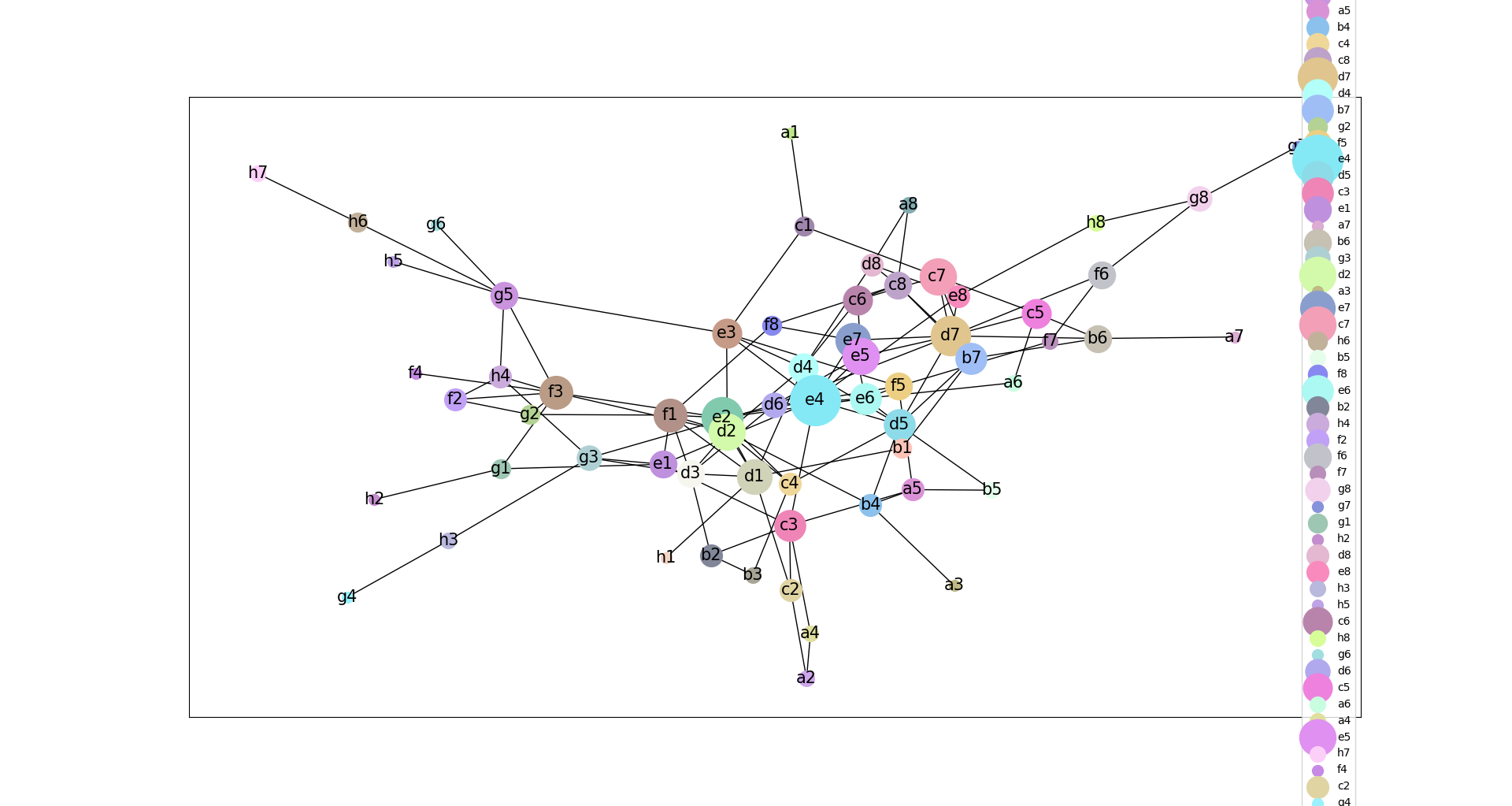
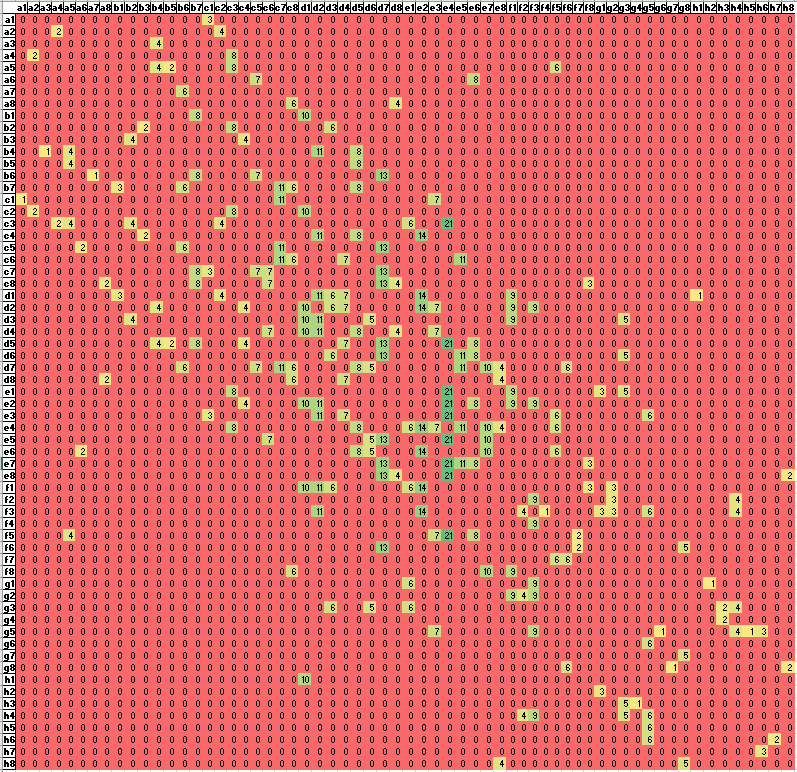
- I think that this can be the core of the initial navigation capability for any corpus. You should be able to identify a topic on the map or in the list, and the system will figure out the most direct route (linear distance).
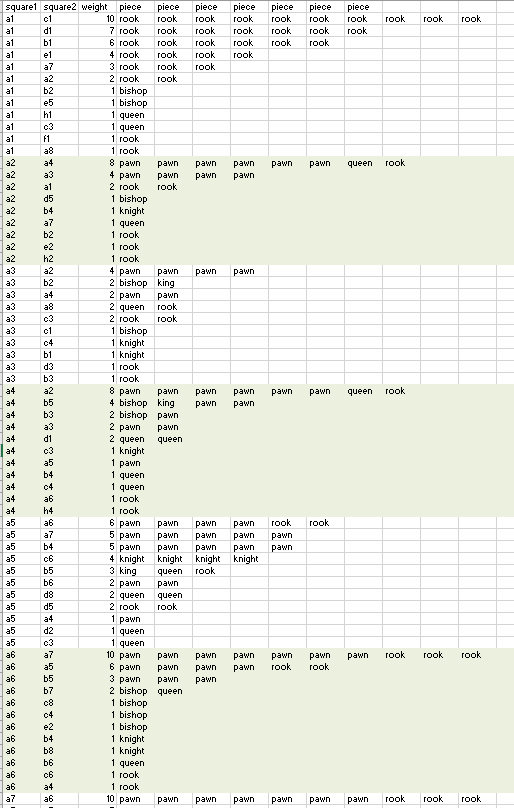
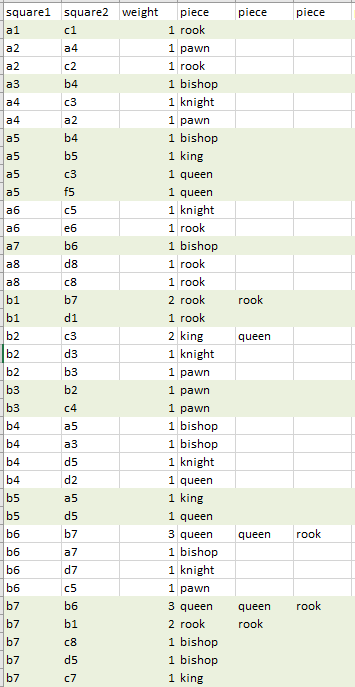
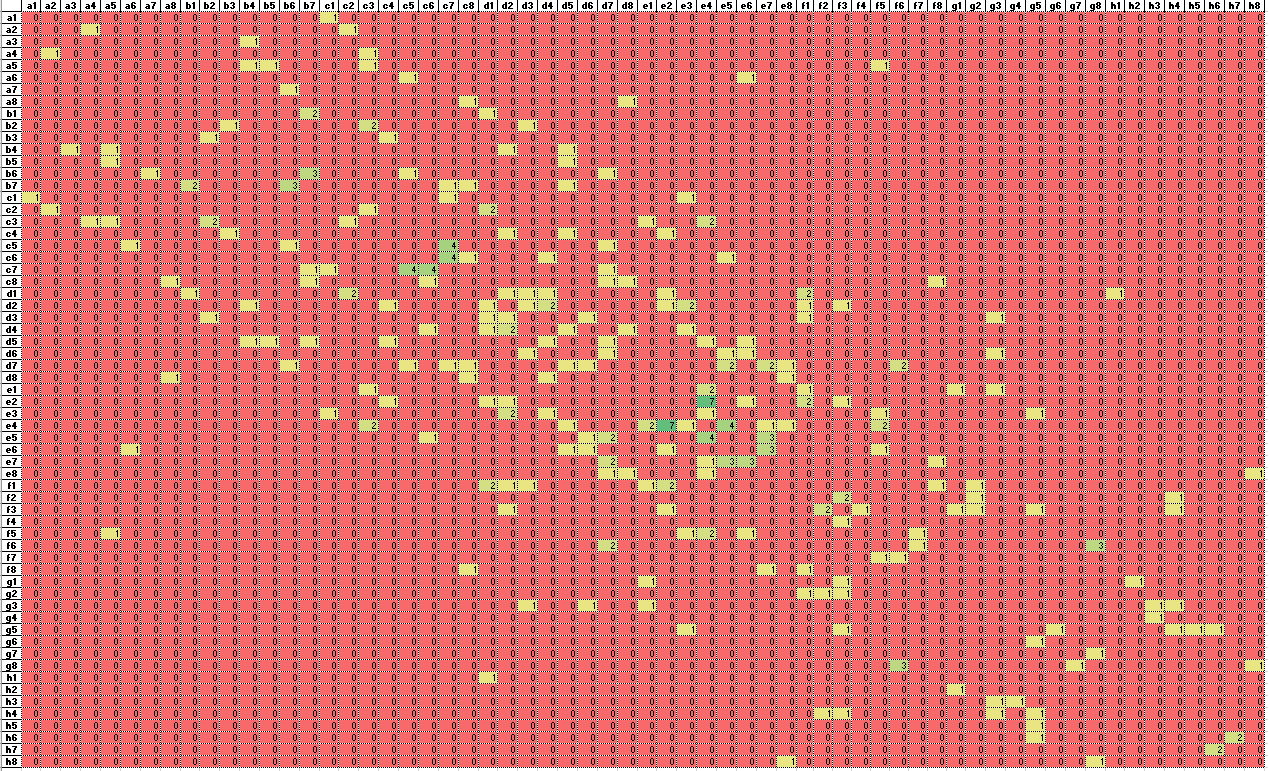
- I think there also needs to be an ability to see the directly connected neighbors as well, since they might be farther away due to mapping constraints. For example, we can see that d2 is linked directly to d7, which is almost completely across the board. This is the result of the white queen making a pretty aggressive move. It’s not common, but it does happen. It might be interesting for someone working their way from arithmetic to calculus to see, for example, how Johann Carl Friedrich Gauss did it:

GOES
- 10:00 Meeting with Vadim
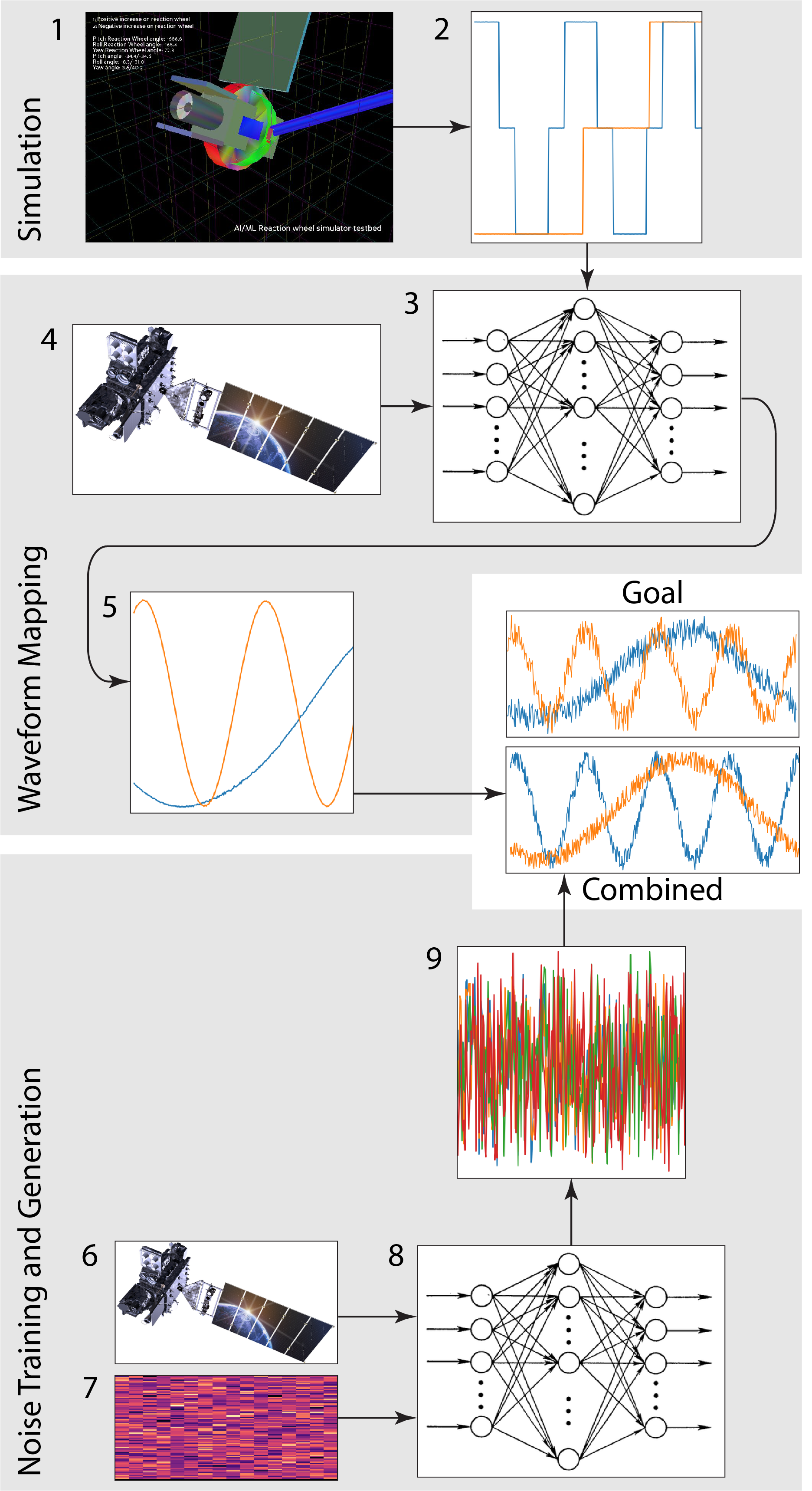
- We’re going to try to get a single RW to move the vehicle through two successive 90-degree maneuvers, then verify that everything is working correctly on the other RWs, then go to RW sets
- 2:00 Status meeting
Proposal
- LMN returned the top 3 results from iacr.org, which turns out to be the International Association for Cryptologic Research
- Found and downloaded some papers
- Long chat with Aaron
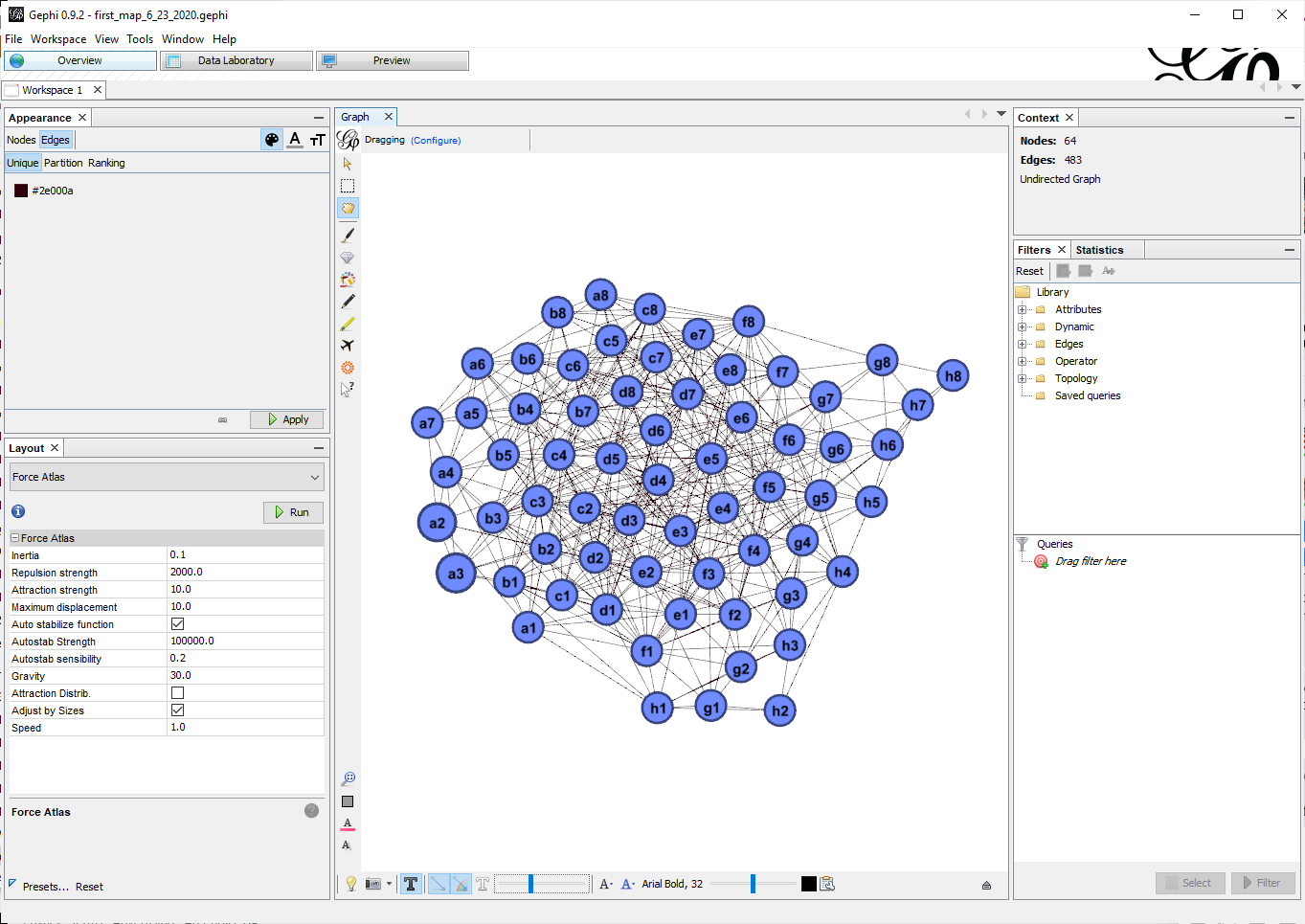
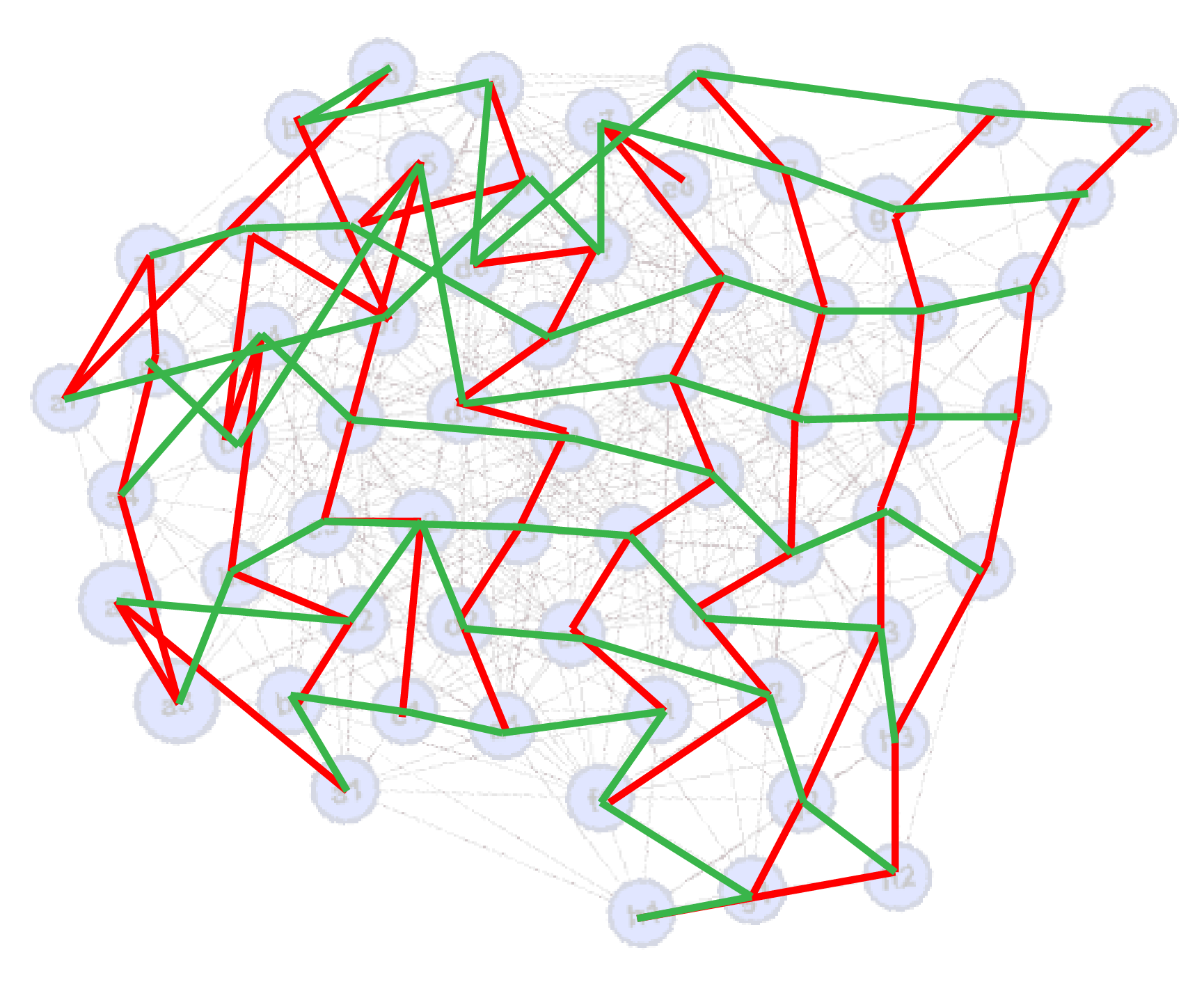


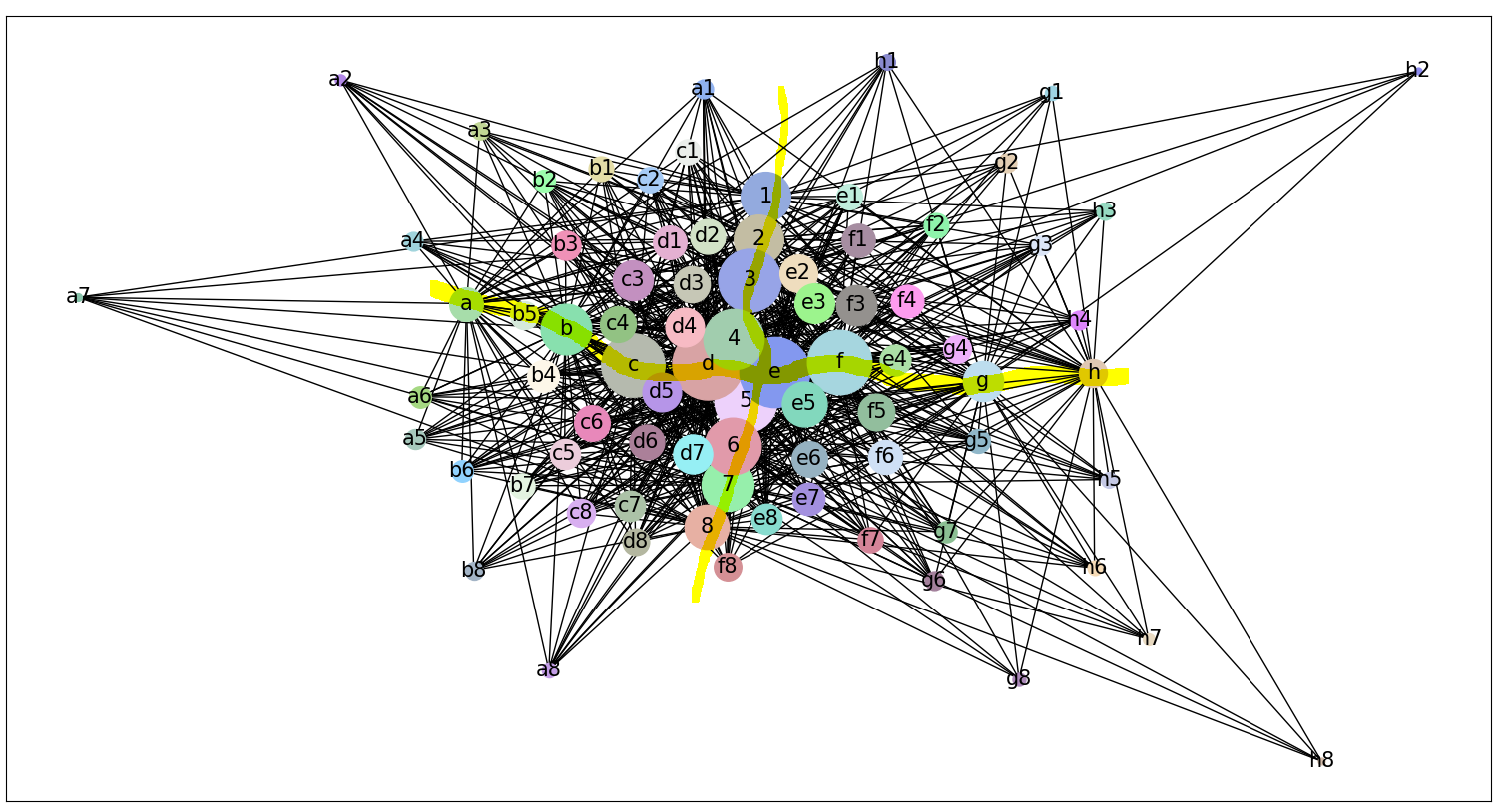







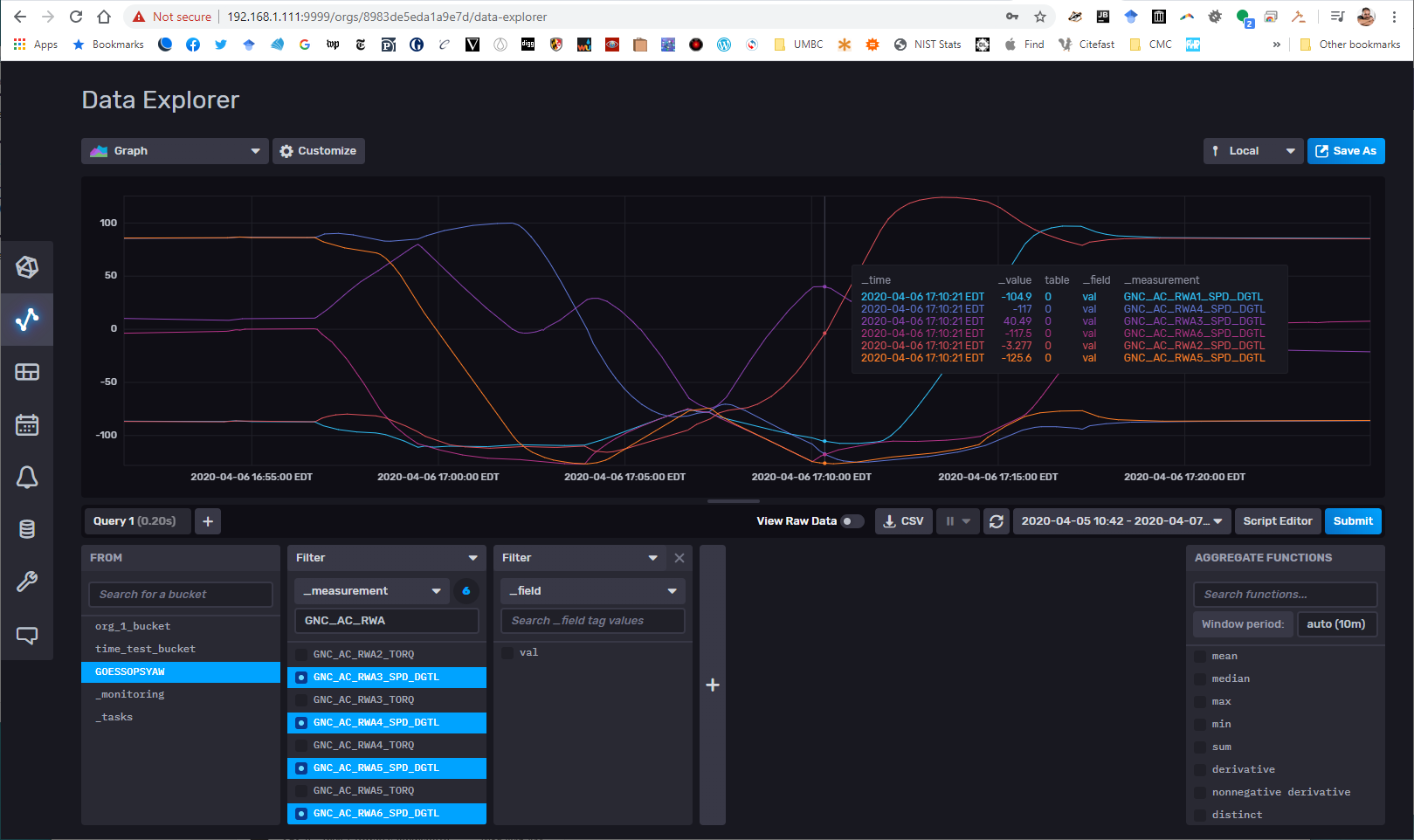




 All the writes are working. I’ll do the reads Monday. Everything looks pretty consistent, though.
 viztales

You must be logged in to post a comment.